Clean, Minimal Design
A streamlined profile that complements both modern and traditional interiors.
Serving Orange County, Los Angeles County, San Diego County & San Bernardino County
Custom Window Treatments
Clean Design. Effortless Light Control.
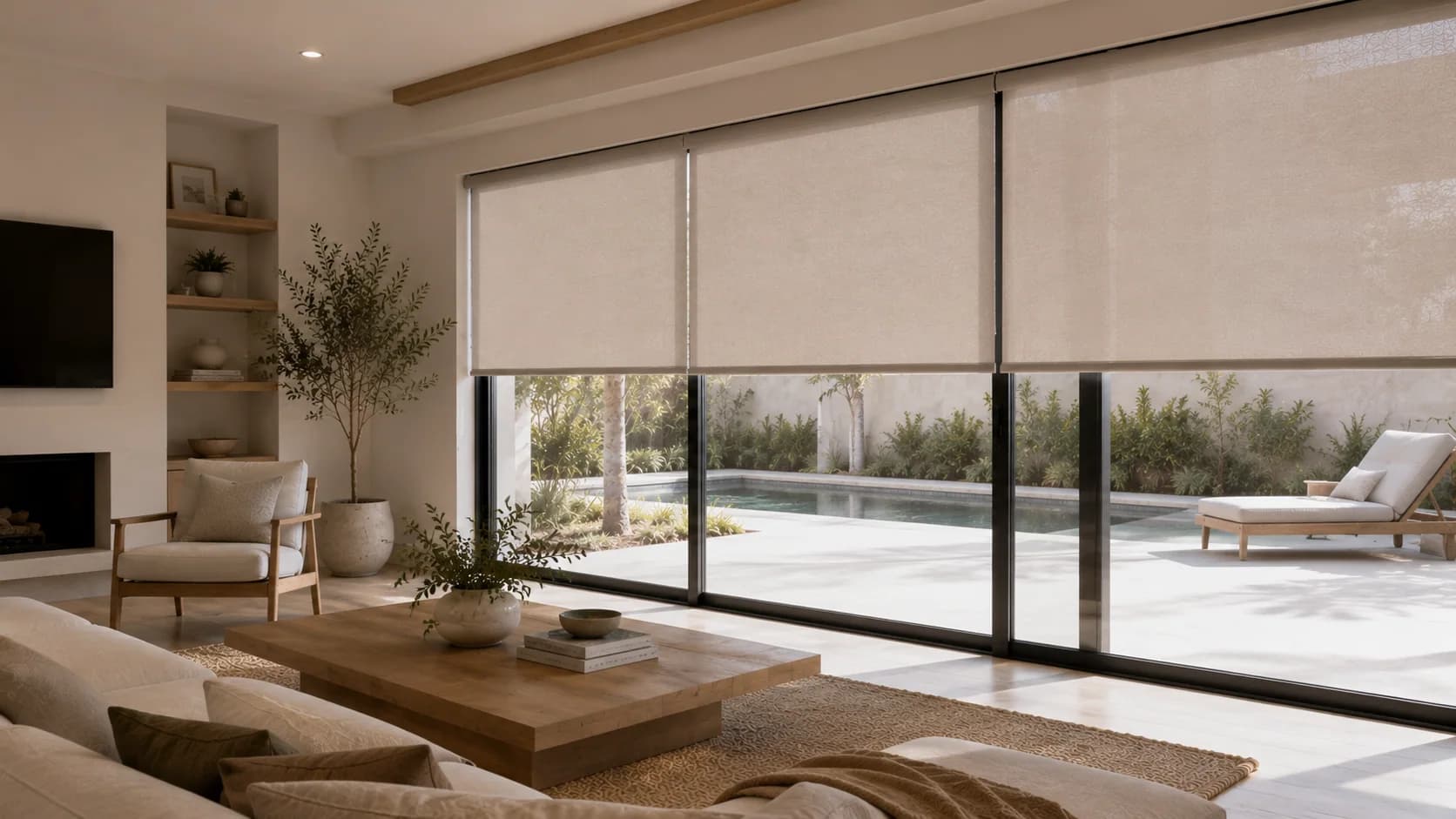
Custom Roller Shades provide a clean, streamlined solution for privacy, glare control, and everyday comfort. Choose from light-filtering, room-darkening, solar, and selected motorized options.
Custom measured. Professionally installed. Planned around each room and window opening.
In-Home Consultation
Review room needs, window conditions, and product options.
Professional Measurement
Each opening is measured before product planning is finalized.
Custom Preparation
Options are planned around the selected shade system.
Professional Installation
The finished shade is installed and checked for proper operation.
Why Choose Roller Shades
A streamlined profile that complements both modern and traditional interiors.
Raise and lower the shade with selected manual or motorized control systems.
Compare light-filtering, room-darkening, and solar fabrics for different room needs.
Each shade is planned and measured for the selected window opening.
Core Selection
Roller Shades use a clean fabric panel, with product options selected around fabric opacity, room use, mounting conditions, and operation.
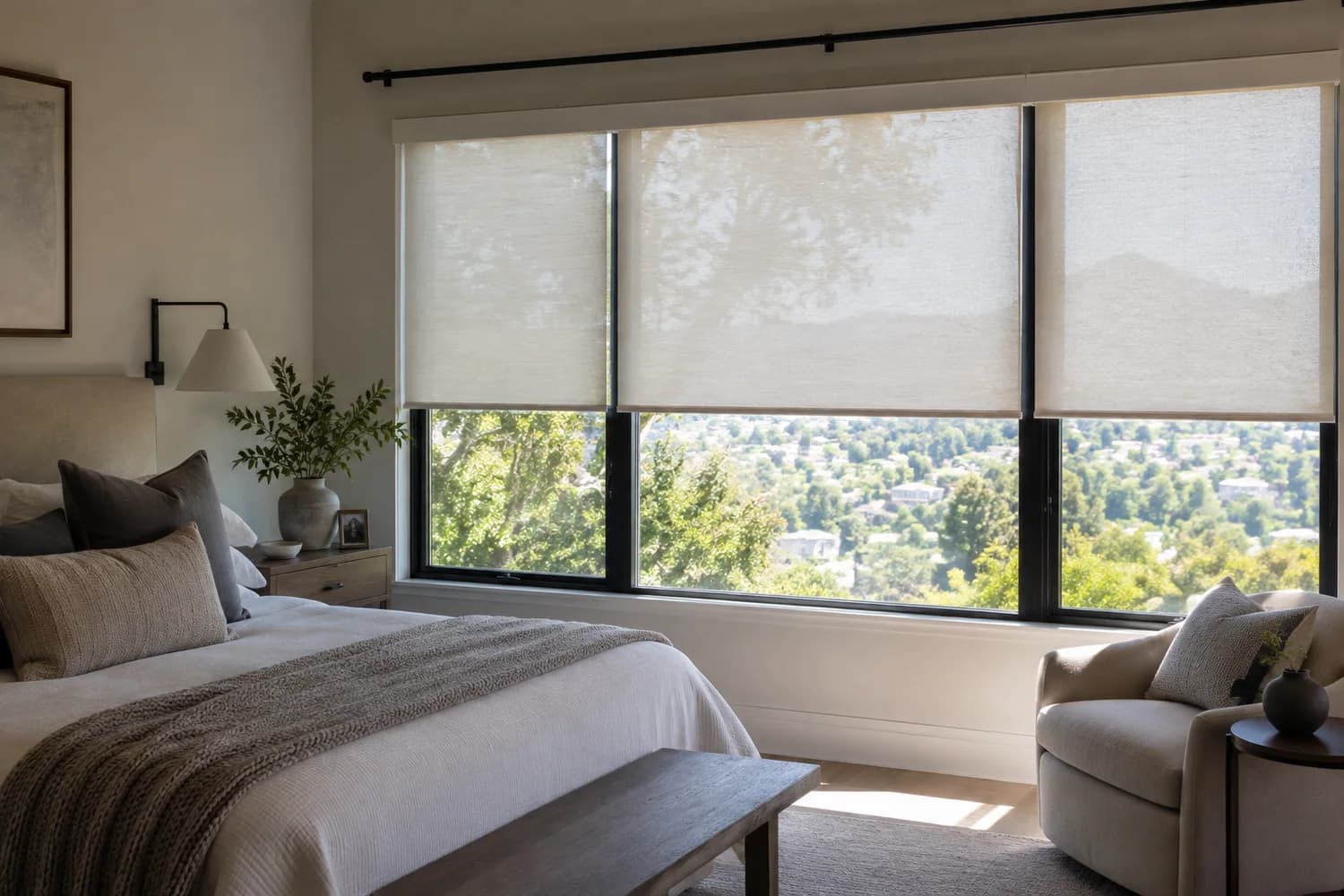
Soften daylight while maintaining a bright, comfortable interior.
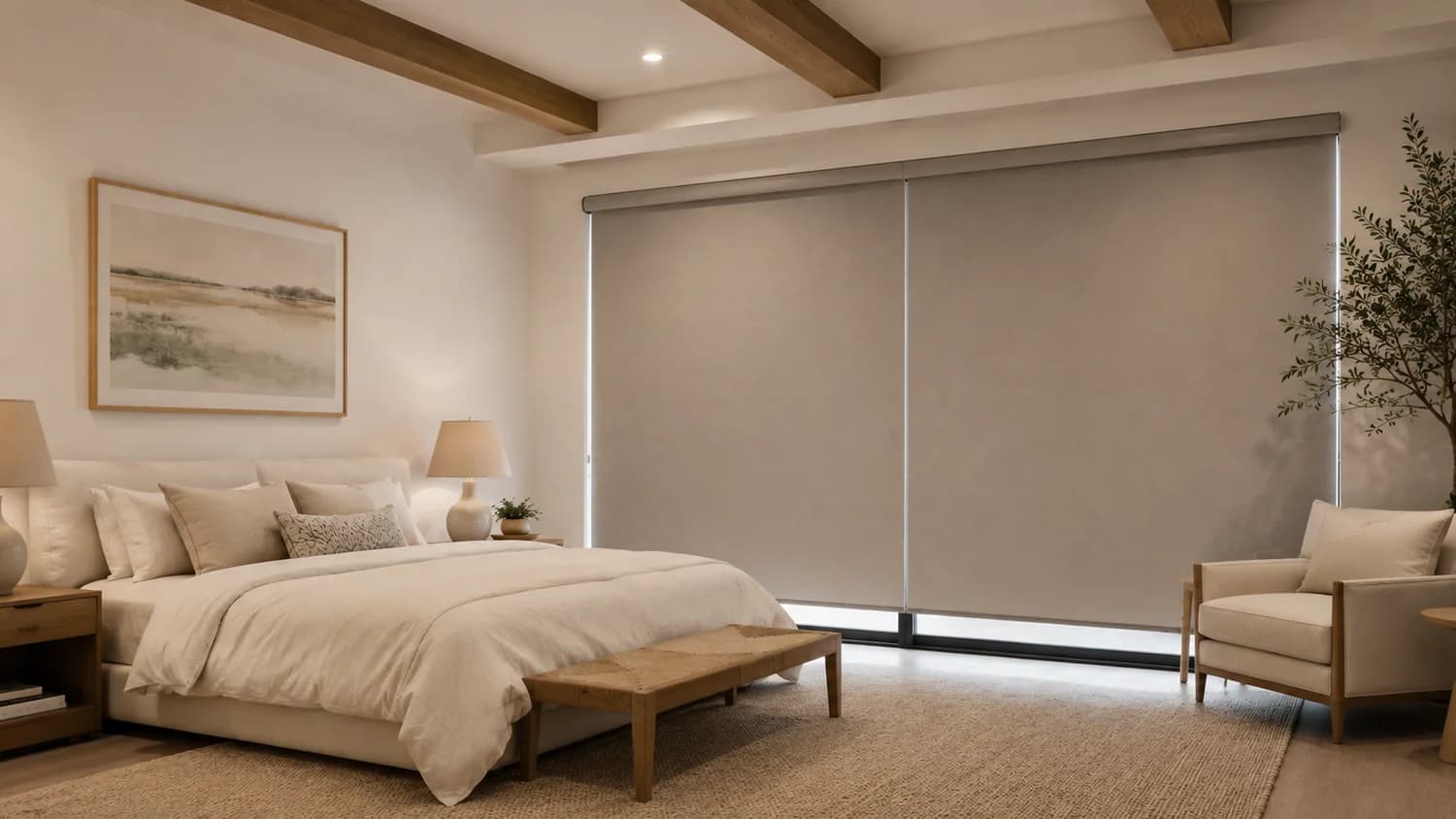
Reduce incoming light for bedrooms, media rooms, and spaces that need greater privacy.
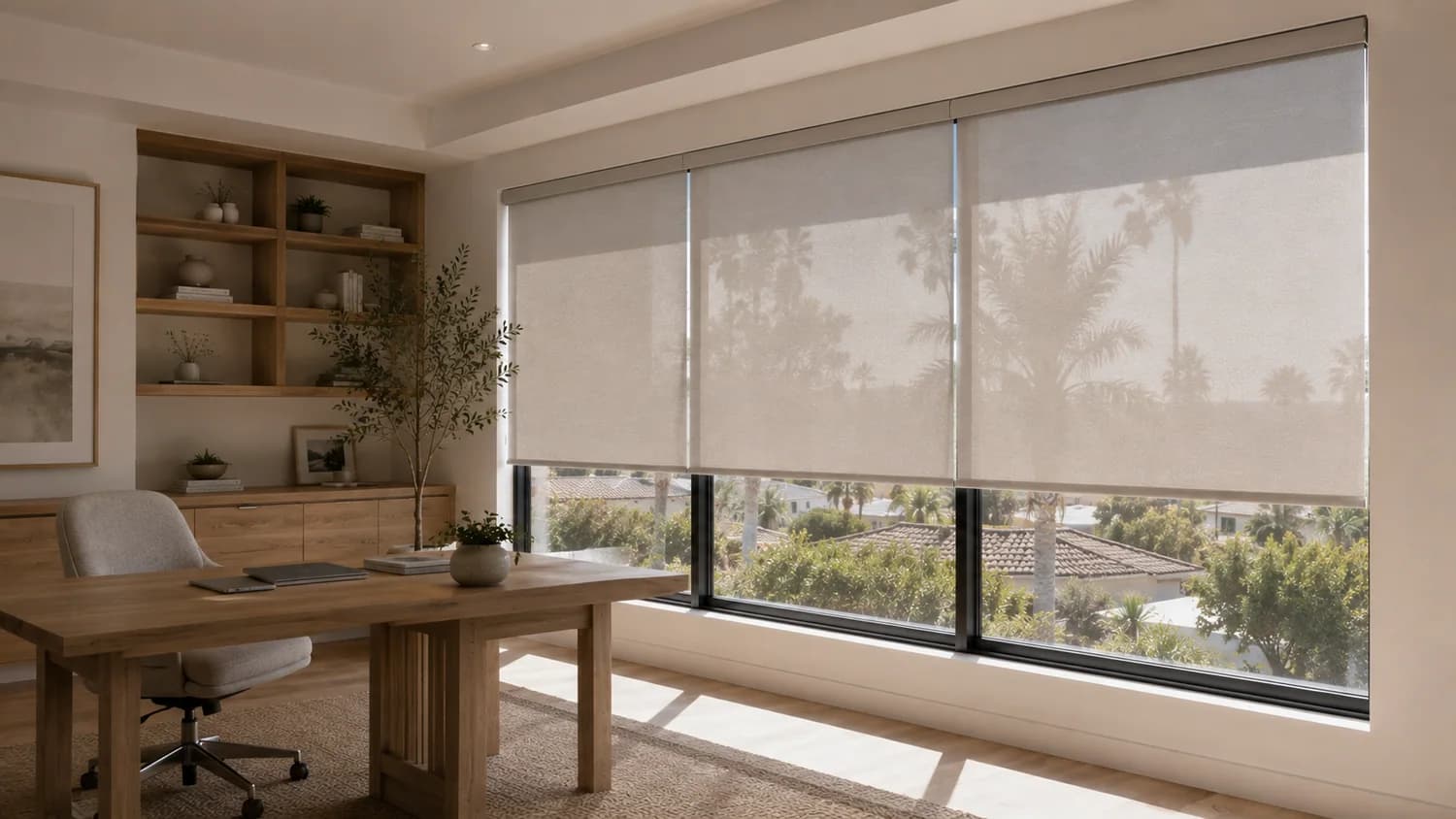
Reduce glare and help maintain exterior views, depending on the selected openness factor.
Combine two compatible shade functions in one opening where the selected system and window conditions allow.
Definition
Roller Shades use a fabric panel that raises and rolls into a compact headrail or tube. The simple profile works well for modern roller shades and many traditional interiors.
Fabric opacity, weave, texture, color, and mounting conditions influence privacy, glare control, exterior view, and edge light gaps.
Light Control
Fabric opacity and mounting conditions influence how much light enters around and through the shade. During consultation, we compare the expected result for each room.
Roller shade options can support open view, filtered light, room darkening, and maximum light reduction goals without promising complete darkness.
Solar screen fabrics can preserve exterior views depending on openness factor.
Light-filtering fabrics soften daylight while keeping the room bright.
Room-darkening fabrics reduce incoming light for greater privacy and comfort.
Higher opacity options can reduce more light when product and mounting conditions support the goal.
Fabric Selection
Roller shade fabric selection can include light-filtering fabrics, room-darkening fabrics, solar screen fabrics, and decorative fabrics.
Opacity, weave, texture, openness factor, color, privacy, exterior view, glare, and edge light gaps should be reviewed by room before final selection.
Soften daylight while maintaining a brighter interior.
Reduce incoming light where bedrooms or media rooms need more privacy.
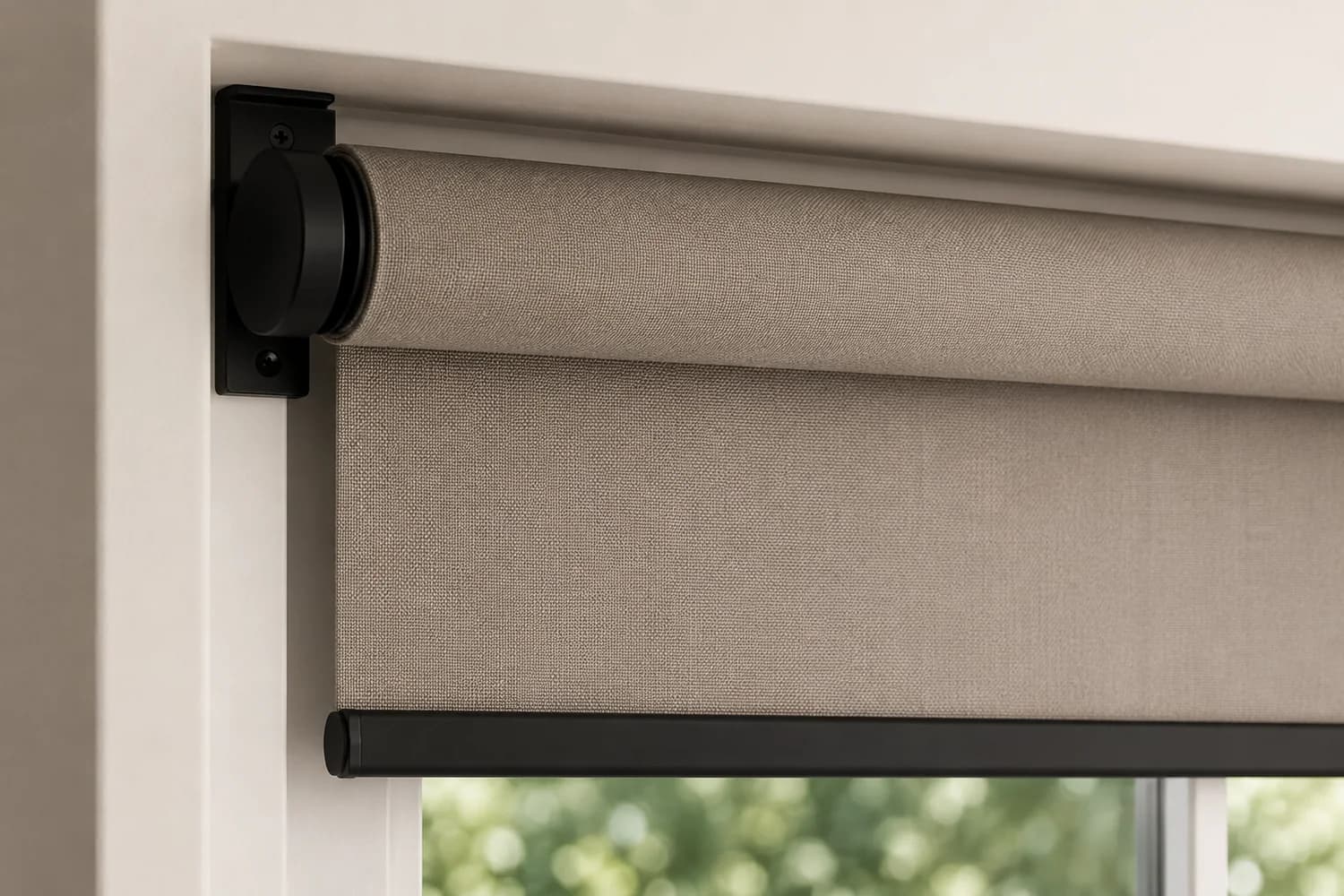
Help reduce glare and maintain exterior view depending on openness factor.
Add texture, color, or pattern while preserving a clean roller shade profile.
Operation
Selected Roller Shade systems can be operated by remote, wall control, or compatible smart-control systems. Motorization is especially useful for high windows, wide openings, grouped shades, and frequently adjusted rooms.
Cord-free motorized operation may support a cleaner and more convenient daily experience. Compatibility depends on the selected product system and window conditions.
Motorization may be useful when windows are difficult to access.
Powered operation can help with compatible larger shade openings.
Grouped operation may be reviewed for rooms with several shades.
Compatible controls are reviewed during consultation; no platform is assumed.
Cord-free motorized operation may create a cleaner daily experience.
Room Applications
Custom Roller Shades can be planned around privacy, glare, comfort, and the way each room is used.
Soften sunlight and manage glare while preserving a clean window profile.
Compare room-darkening fabrics and mounting conditions for greater privacy.
Reduce glare and maintain comfort through the workday.
Review higher-opacity fabrics where more light reduction is desired.
Window Applications
Professional measurement helps confirm shade size, mounting approach, fabric behavior, and operation.
A clean solution for common residential openings.
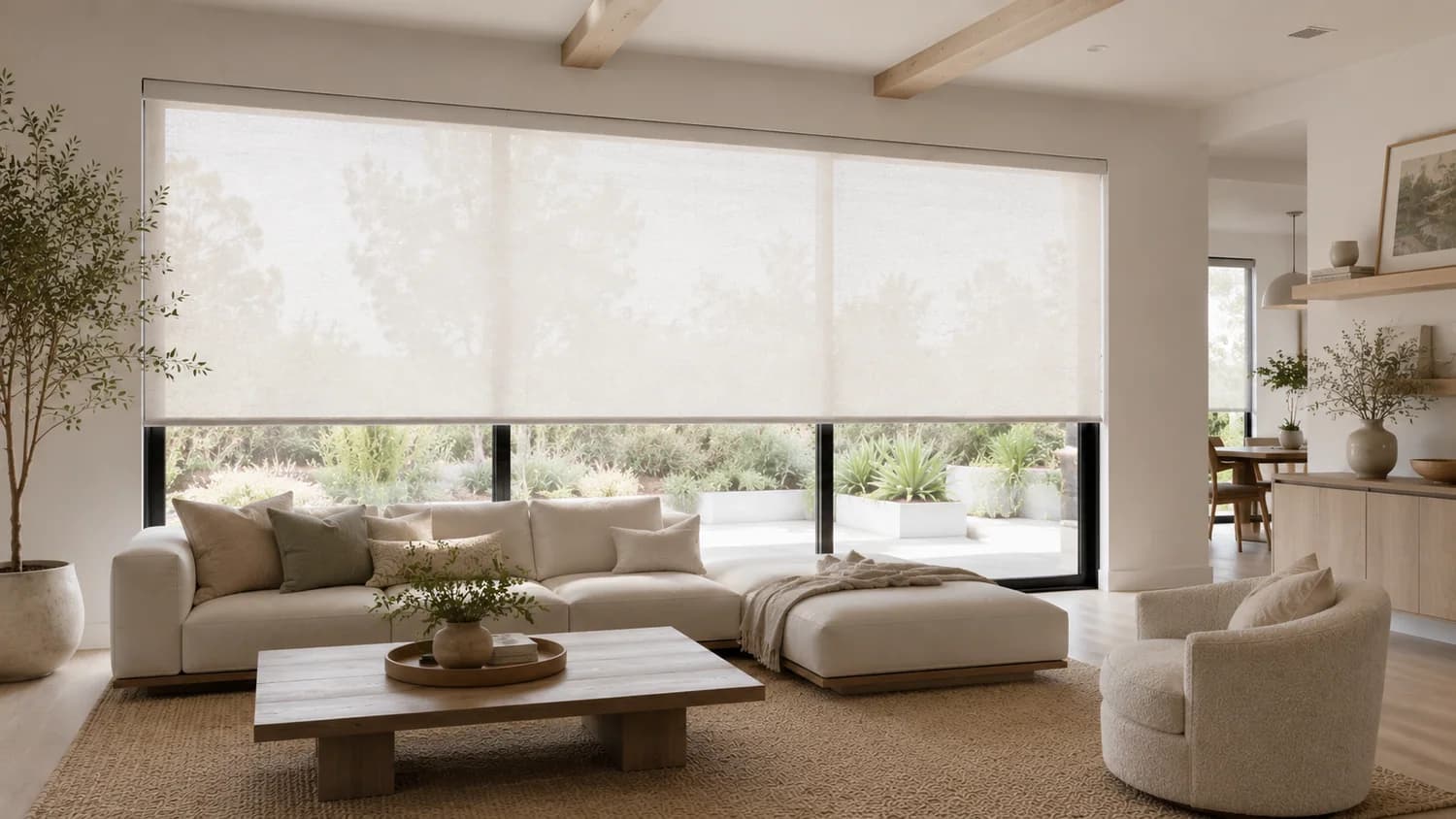
Review fabric width, operation, and mounting for wider openings.
Selected motorized options may be useful for hard-to-reach shades.
Consider coverage, operation, and daily door use before selecting a system.
Coordinate shade heights, fabric direction, and operation across adjacent windows.
Customization
Roller Shade options vary by product system and window conditions. Fabric, color, opacity, openness factor, operation, and mount type are reviewed together.
Roller Shades use a single fabric panel that raises and rolls into a compact profile.
Light-filtering fabrics soften daylight. Room-darkening fabrics reduce incoming light for rooms that need more privacy or comfort.
Privacy varies by fabric opacity, room lighting, openness factor, and time of day.
Mounting conditions and fabric width influence edge light gaps.
Solar fabrics can reduce glare and preserve exterior views depending on openness factor.
Wide windows require review of fabric width, shade operation, mounting, and selected product system.
Sliding door applications should account for daily door use, coverage, and operation.
Inside mounting depends on window depth, obstructions, and selected product system.
Outside mounting may help with coverage when inside conditions are limited.
Dual Roller Shades combine two compatible functions only where system and window conditions allow.
Selected Roller Shade systems can be reviewed for remote, wall-control, or compatible smart-control operation.
Roller Shades use one fabric panel. Zebra Shades use alternating bands for adjustable view and privacy.
Care guidance depends on the selected fabric, product system, and room conditions.
Process
01
Review window conditions, room goals, privacy needs, and available shade options.
02
We measure each opening and review mounting conditions before ordering.
03
Your shade is planned for the approved product system, dimensions, operation, and finish.
04
The finished installation is aligned and checked for proper operation.
Mounting depth, shade size, window trim, operation, and fabric behavior all affect the final result. The consultation and measurement process helps confirm what will work for each opening.
Related Products
Compare related custom window treatments with valid product routes before deciding what fits the room best.
Explore powered operation for compatible Roller Shade systems.
Learn MoreCompare a banded dual-layer shade with adjustable view and privacy.
Learn MoreConsider a softer fabric shade with tailored fold appearance.
Learn MoreFAQ
Visit the FAQ page for answers to common questions about custom window treatments, consultation, measurement, and service areas.
Start with an in-home consultation for custom Roller Shades professionally measured and installed for your home.